


Choose the Vehicle Before Choosing the Payment
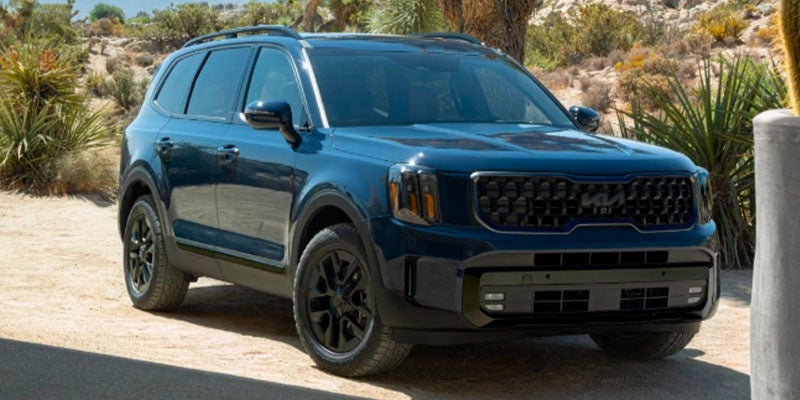
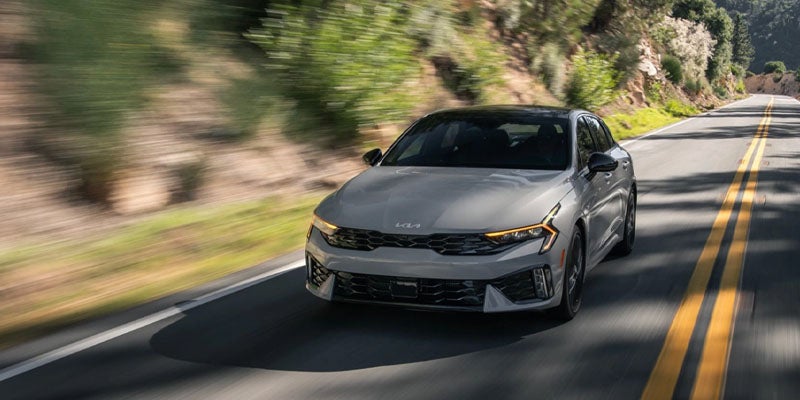
Start with the vehicle's purchase price, equipment, and expected operating expenses. The Kia K4 offers compact sedan practicality, while the Sportage and Sorento provide SUV versatility. The redesigned 2027 Telluride brings a 2.5L turbocharged engine producing 274 hp and 311 lbs. ft. of torque, with an available hybrid delivering 329 hp and 339 lbs. ft. of torque. Kia also offers hybrid, plug-in hybrid, and electric vehicles, depending on availability. Compare what each model costs to purchase and operate before determining how much to borrow.
APR and Loan Terms: The Numbers That Count
An auto loan spreads the financed amount across scheduled payments, commonly over 36 to 72 months. The annual percentage rate, or APR, reflects the yearly borrowing cost, including interest and applicable fees. Longer loans generally reduce monthly payments but can increase total interest expenses. Shorter loans demand larger payments while typically reducing borrowing costs. Compare the APR, loan duration, total amount financed, and complete repayment amount. A comfortable monthly payment means little if the financing arrangement costs substantially more over time.
Down Payments and Trade-Ins Change the Equation
A larger down payment reduces the amount financed. Put $3,000 toward a $30,000 vehicle, and the vehicle-price portion drops to $27,000 before taxes, fees, and additional financed charges. Trade-in equity can accomplish something similar. However, owners who owe more than their current vehicle is worth face negative equity. Rolling that balance into another loan increases the new financing obligation. Obtain a realistic trade-in estimate and confirm the outstanding loan balance before negotiating your next purchase.
Credit and Preapproval Deserve Attention
Credit history influences loan eligibility and available interest rates, but lenders also consider income, debt obligations, employment, and the requested financing amount. Reviewing credit reports beforehand provides an opportunity to identify inaccuracies. Comparing offers from multiple lenders can reveal meaningful differences in borrowing costs. Preapproval establishes a preliminary financing range, although final approval depends on verification and vehicle details. Arriving at the dealership with financing information gives buyers a stronger basis for comparison.
Hybrid and Electric Ownership Costs
A Kia hybrid may reduce fuel consumption compared with a comparable gasoline model, depending on driving conditions. Plug-in hybrids and electric vehicles introduce charging expenses and infrastructure considerations. Evaluate home charging access, electricity rates, public charging availability, insurance, and maintenance. Manufacturer incentives and government programs may influence purchase costs, but eligibility changes. Confirm applicable offers before incorporating potential savings into your budget.
Warranty Coverage Is Part of the Ownership Picture
New Kia vehicles generally include a 10-year/100,000-mile limited powertrain warranty, a 5-year/60,000-mile limited basic warranty, and 5-year/60,000-mile roadside assistance coverage. Hybrid and electric components may have additional protections. Coverage remains subject to applicable terms, exclusions, and ownership restrictions. These benefits can reduce exposure to certain repair expenses, but routine maintenance and uncovered repairs remain ownership responsibilities.
Explore Kia Financing at Dorsch Kia
A sound financing decision balances purchase price, borrowing costs, and long-term ownership expenses. Visit Dorsch Kia in Green Bay, WI, to compare available new vehicles, discuss financing programs, and evaluate trade-in opportunities. Schedule a test drive before selecting the Kia and payment arrangement that fit your needs.

 Warranties include 10-year/100,000-mile powertrain and 5-year/60,000-mile basic. All warranties and roadside assistance are limited. See retailer for warranty details.